Key Takeaways
-
Sleep hygiene means your sleep habits and your bedroom setup.
-
Bad sleep habits can lead to poor sleep quality and less sleep.
-
Good sleep hygiene includes a fixed sleep schedule, a calming bedtime routine, healthy habits, and a comfortable bedroom.
-
Sleep hygiene alone may not fix serious sleep problems—talk to a doctor if needed.
-
Improving sleep habits is an easy way to sleep better, feel fresh, and wake up with more energy.
Focusing on sleep hygiene is one of the easiest ways to improve your sleep. It means creating a good sleep environment and following daily habits that help you sleep without disturbance. Everyone can adjust these habits based on their needs. By building simple, healthy routines, you can sleep better at night and wake up feeling fresh and rested.
Why Is Sleep Hygiene Important?
Getting good sleep is important for both your body and mind. It helps you stay active, focused, and improves your overall quality of life. People of all ages—from kids to older adults—can benefit from better sleep, and sleep hygiene plays an important role in it. Research shows that building healthy habits is a key part of staying healthy.
Trusted sources like the National Center for Biotechnology Information and NIH News in Health explain that building good habits is key to staying healthy. When you create simple, useful routines, healthy actions start to feel automatic. On the other hand, bad habits can also become strong over time and harm your health.
The good news is that people can change their habits to support long-term health. By creating the right environment and daily routines, you can reach your goals more easily. Sleep hygiene includes both your habits and your sleep environment. It helps you sleep better and supports overall health. Improving sleep hygiene is low-cost and safe, which makes it an important way to deal with problems like poor sleep and insomnia.
How Do You Practice Good Sleep Hygiene?
Good sleep hygiene means putting yourself in the best position to sleep well every night. This includes keeping a regular sleep schedule, following a relaxing bedtime routine, and building healthy daily habits so good sleep becomes natural. At the same time, having a comfortable and peaceful bedroom helps your body relax and fall asleep faster. There are many simple tips you can follow, but they are not strict rules. You can adjust them based on your lifestyle and create your own sleep routine that works best for you.
Set Your Sleep Schedule
-
Keep a regular sleep schedule so your body gets used to sleeping well.
-
Wake up at the same time every day, even on weekends.
-
Treat sleep as important—plan your bedtime based on your wake-up time.
-
If you want to change your sleep time, do it slowly in small steps.
-
Keep naps short and avoid late-day naps so they don’t disturb night sleep.
Follow a Nightly Routine
-
Do the same things every night to signal your body it’s time to sleep.
-
Spend about 30 minutes relaxing before bed (like reading or light stretching).
-
Keep lights dim to help your body prepare for sleep.
-
Avoid phones, laptops, and screens before bed—they keep your mind active.
-
Try relaxation methods like deep breathing or meditation.
-
If you can’t sleep after about 20 minutes, get up and do something calm, then try again.
Set Your Sleep Schedule
Having a set schedule normalizes sleep as an essential part of your day and gets your brain and body accustomed to getting the full amount of sleep that you need.
-
Have a Fixed Wake-Up Time: Regardless of whether it’s a weekday or weekend, try to wake up at the same time since a fluctuating schedule keeps you from getting into a rhythm of consistent sleep.
-
Prioritize Sleep: It might be tempting to skip sleep in order to work, study, socialize, or exercise, but it’s vital to treat sleep as a priority. Calculate a target bedtime based on your fixed wake-up time and do your best to be ready for bed around that time each night.
-
Make Gradual Adjustments: If you want to shift your sleep times, don’t try to do it all in one fell swoop because that can throw your schedule out of whack. Instead, make small, step-by-step adjustments of up to an hour or two so that you can get adjusted and settle into a new schedule.
-
Don’t Overdo It With Naps: Naps can be a handy way to regain energy during the day, but they can throw off sleep at night. To avoid this, try to keep naps relatively short and limited to the early afternoon.
Follow a Nightly Routine
How you prepare for bed can determine how easily you’ll be able to fall asleep. A pre-sleep playbook including some of these tips can put you at ease and make it easier to fall asleep when you want to.
-
Keep Your Routine Consistent: Following the same steps each night, including things like putting on your pajamas and brushing your teeth, can reinforce in your mind that it’s bedtime.
-
Budget 30 Minutes For Winding Down: Take advantage of whatever puts you in a state of calm such as soft music, light stretching, reading, and/or relaxation exercises.
-
Dim Your Lights: Try to keep away from bright lights because they can hinder the production of melatonin, a hormone that the body creates to facilitate sleep.
-
Unplug From Electronics: Build in a 30-60 minute pre-bed buffer time that is device-free. Cell phones, tablets, and laptops cause mental stimulation that is hard to shut off and also generate blue light that may decrease melatonin production.
-
Test Methods of Relaxation: Instead of making falling asleep your goal, it’s often easier to focus on relaxation. Meditation, mindfulness, paced breathing, and other relaxation techniques can put you in the right mindset for bed.
-
Don’t Toss and Turn: It helps to have a healthy mental connection between being in bed and actually being asleep. For that reason, if after 20 minutes you haven’t gotten to sleep, get up and stretch, read, or do something else calming in low light before trying to fall asleep again.
Cultivate Healthy Daily Habits
It’s not just bedtime habits that play a part in getting good sleep. Incorporating positive routines during the day can support your circadian rhythm and limit sleep disruptions.
-
Get Daylight Exposure: Light, especially sunlight, is one of the key drivers of circadian rhythms that can encourage quality sleep.
-
Be Physically Active: Regular exercise can make it easier to sleep at night and also delivers a host of other health benefits.
-
Don’t Smoke: Nicotine stimulates the body in ways that disrupt sleep, which helps explain why smoking is correlated with numerous sleeping problems
-
National Library of Medicine, Biotech Information
-
The National Center for Biotechnology Information advances science and health by providing access to biomedical and genomic information.
-
Reduce Alcohol Consumption:Alcohol may make it easier to fall asleep, but the effect wears off, disrupting sleep later in the night. As a result, it’s best to moderate alcohol consumption and avoid it later in the evening.
-
Cut Down on Caffeine in the Afternoon and Evening: Because it’s a stimulant, caffeine can keep you wired even when you want to rest, so try to avoid it later in the day. Also be aware if you’re consuming lots of caffeine to try to make up for lack of sleep.
-
Don’t Dine Late: Eating dinner late, especially if it’s a big, heavy, or spicy meal, can mean you’re still digesting when it’s time for bed. In general, any food or snacks before bed should be on the lighter side.
-
Restrict In-Bed Activity: To build a link in your mind between sleep and being in bed, it’s best to only use your bed for sleep with sex being the one exception
Optimize Your Bedroom
A central component of sleep hygiene beyond just habits is your sleep environment. To fall asleep more easily, you want your bedroom to be calm and free of disruptions.
-
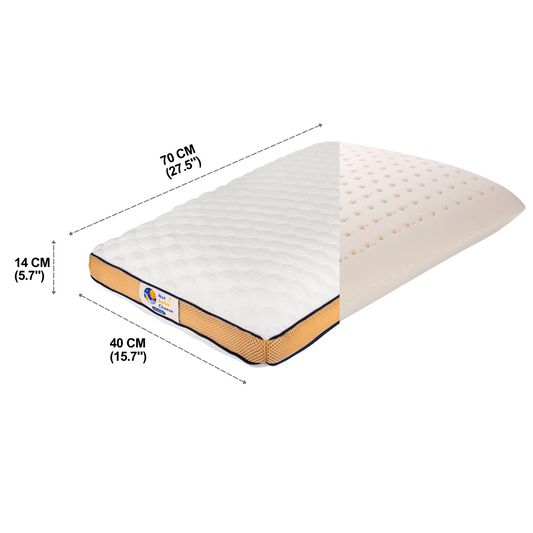
Have a Comfortable Mattress and Pillow: Your sleeping surface is critical to comfort and pain-free sleep, so choose the best mattress and best pillow for your needs wisely.
-
Use Excellent Bedding: The sheets and blankets are the first thing you touch when you get into bed, so it’s beneficial to make sure they match your needs and preferences.
-
Set a Cool Yet Comfortable Temperature: Fine-tune your bedroom temperature to suit your preferences, but err on the cooler side (around 65 degrees fahrenheit).
-
Block Out Light: Use heavy curtains or an eye mask to prevent light from interrupting your sleep.
-
Drown Out Noise: Ear plugs can stop noise from keeping you awake, and if you don’t find them comfortable, you can try a white noise machine or even a fan to drown out bothersome sounds.
-
Try Calming Scents: Light smells, such as lavender
-
Is Sleep Hygiene the Same For Everyone?
The basic concept of sleep hygiene — that your environment and habits can be optimized for better sleep — applies to just about everyone, but what ideal sleep hygiene looks like can vary based on the person. For that reason, it’s worth testing out different adjustments to find out what helps your sleep the most. You don’t have to change everything at once; small steps can move you toward better sleep hygiene.
It’s also important to know that improving sleep hygiene won’t always resolve sleeping problems. People who have serious insomnia or sleep disorders like obstructive sleep apnea may benefit from better sleep hygiene, but other treatments are usually necessary as well.
In other words, even though it may be beneficial, sleep hygiene alone isn’t a panacea. If you have long-lasting or severe sleeping problems or daytime sleepiness, it’s best to talk with a doctor who can recommend the most appropriate course of treatment.
Reference
Author
Jayant Upadhyay is a health writer and content strategist with 13+ years of experience in SEO-driven content and research-led publishing. He has created 5,000+ articles across health, wellness, and lifestyle, focusing on evidence-based insights that improve sleep, well-being, and everyday health outcomes for global audiences.
https://www.linkedin.com/in/jayant-upadhyay-3a385228/?skipRedirect=true